

In a curve, brake before entering the curve, then slow down and enter the curve slowly, and then accelerate to leave the curve. When braking on a curve, you need to bend along the curve at any time and adjust your body posture. Do not slam the Oil Pump of the car, especially the vehicle in the outer lane, so as not to lose control of the body.
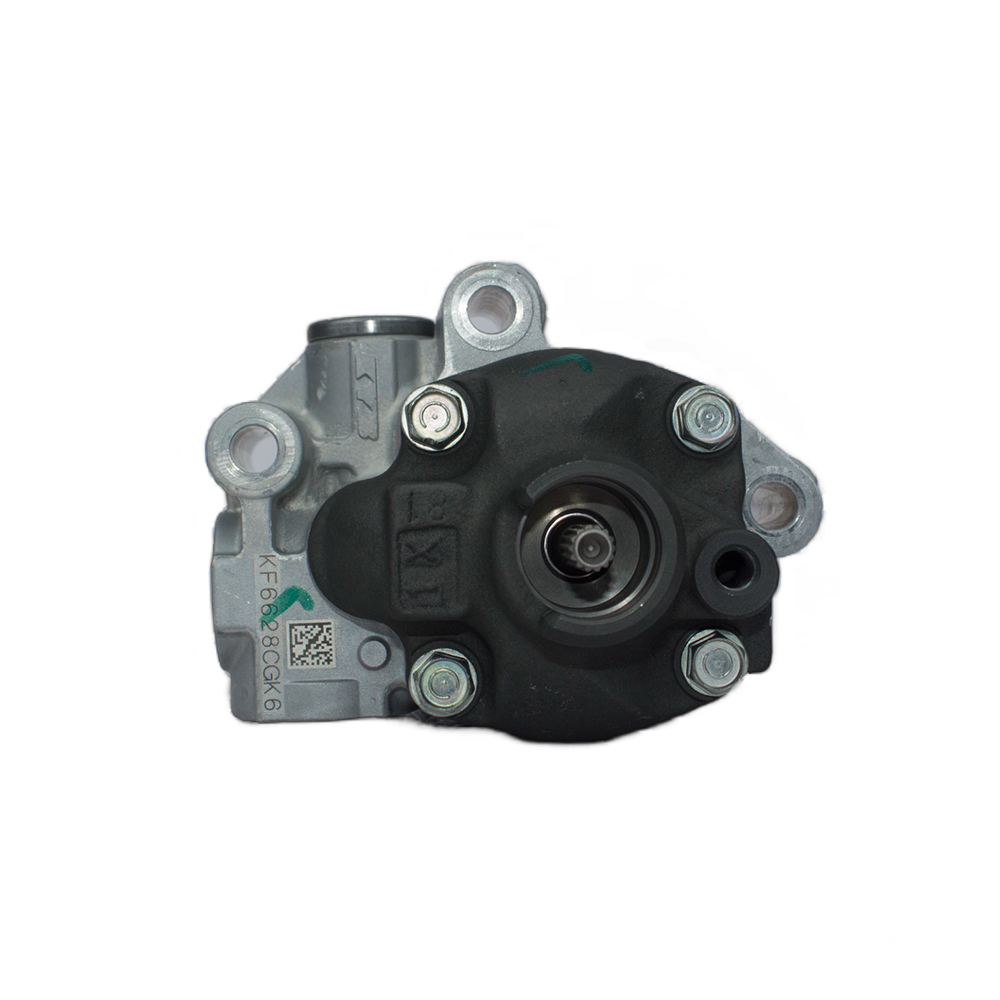
Slow down to stop in the shortest time and shortest distance.
At this point, you must first step on the brake pedal quickly and prepare for emergency merging. In fact, it is not complicated, but the key is that you must be tough enough to really push the brake pedal to the bottom.
If the emergency brake can stop the car in front of the obstacle, it is good. If it really can't, then you must consider whether it can be avoided. Emergency avoidance is braking and braking line. The key is to turn to avoid obstacles when stepping on the brake pedal.
3. Long-distance light braking
Long-distance light braking technology exquisite braking technology will not give passengers a sense of impact. The premise is to correctly grasp the road and traffic conditions ahead. The first is to release the accelerator pedal, and then perform braking operations according to the distance and vehicle speed.
4. Do not step on the brakes when parking
Release the brakes once before the vehicle stops completely. If we step on the brakes to stop the vehicle, we will continue to step on the brakes until the vehicle stops, which will have a greater impact. The technique is to release the brakes once before the vehicle stops completely, and then tap the brakes again until the vehicle stops.
5. Rainy day brake protection system
In addition to using sudden brakes with caution on rainy days, you can also tap the brakes when water is sprinkled on the road. The purpose is to remove water from the brake disc to prevent corrosion and rust.