

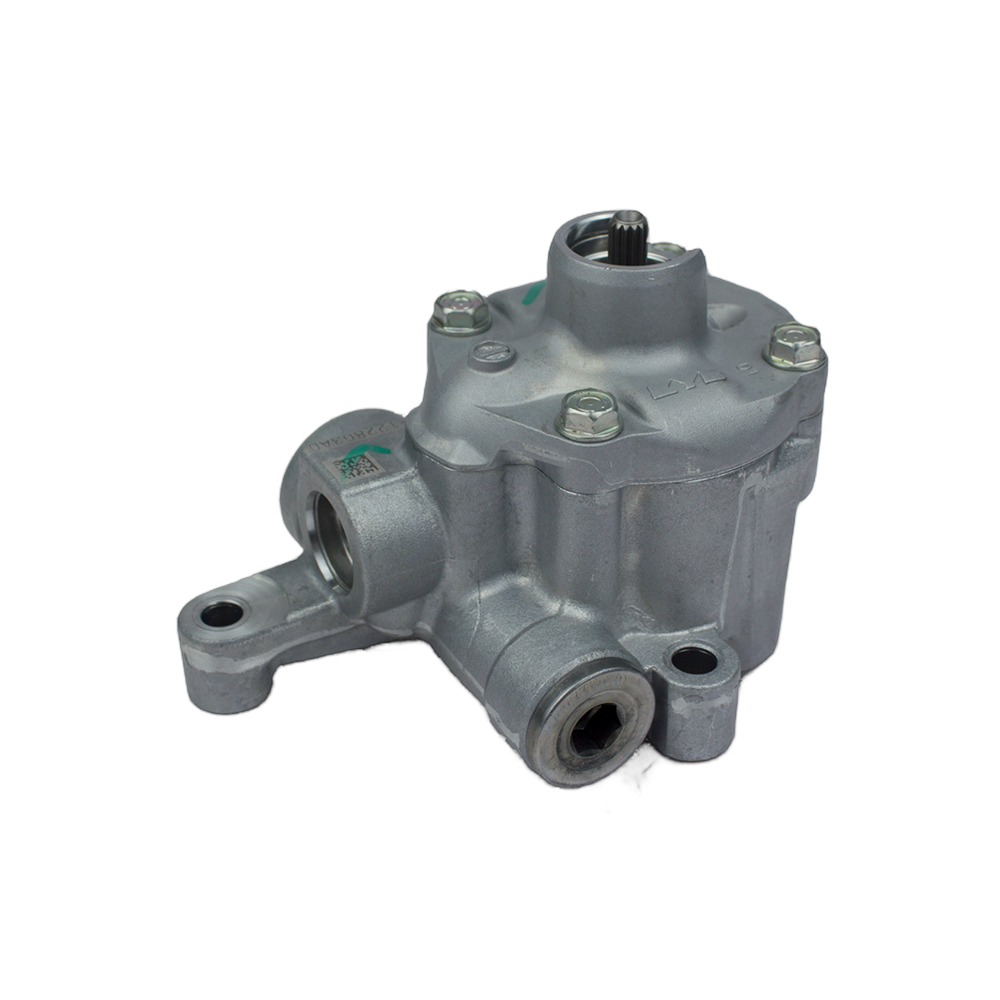
First, check whether the replaced Oil Pump is a regular accessory (i.e. a product produced by a regular manufacturer), the integrity of the product packaging, whether the anti-counterfeiting card and packaging logo are consistent with the logo on the Transmission Hard Parts, and whether the product model matches the content of the certificate.
Remove the tire, loosen the fastening screws of the clamp body, and then check the screws and the sliding guide rods of the clamp, remove the dirt and oil on the top, and apply lubricating oil for maintenance. Remove the old brake pads and check the wear of the brake disc for grooves. Severe wear (3mm depth on one side) should be replaced with a new brake disc. The cycle of high-end cars is 6/8 km, otherwise it will accelerate the wear of the newly replaced Transmission Hard Parts, the direction will shake when braking, and the braking force will be too small.
It is worth noting that when installing new brake pads, the inside and outside should be distinguished, and the friction surface of the brake pads should face the brake disc so that the brake disc can be installed correctly. Install the accessories and tighten the clamp body. Before tightening the clamp body, use a tool (or special tool) to push the plug on the pliers back to its original position so that the pliers can be installed in place.
After installing the brakes, the tires should be reset. When installing the tire screws, the corners should be tightened to protect the tires and brake hubs. At the same time, check whether the wear of the tread and edges is normal. The left and right wheels can also be replaced regularly, which will help extend the service life of the tires.
The brake fluid also needs to be checked. The brake fluid should be replaced and added regularly. At the same time, it should be ensured that the brand of the brake fluid used is consistent with the brand of the original brake fluid. This will help remove sludge and dirt in the brake lines and make the brakes more sensitive. If different brands of brake fluids are used in combination, chemical changes will occur, resulting in sludge and inorganic salt deposits in the brake system, which will block the pipes and engines. Failure to use the brakes will have disastrous consequences. Before driving in dislocation, press the brakes hard until you feel that the brakes have returned to the ideal position, and then you can drive normally in dislocation.
It is worth noting that when installing new brake pads, the inside and outside should be distinguished, and the friction surface of the brake pads should face the brake disc so that the brake disc can be installed correctly. Install the accessories and tighten the clamp body. Before tightening the clamp body, use a tool (or special tool) to push the plug on the pliers back to its original position so that the pliers can be installed in place.
After installing the brakes, the tires should be reset. When installing the tire screws, the corners should be tightened to protect the tires and brake hubs. At the same time, check whether the wear of the tread and edges is normal. The left and right wheels can also be replaced regularly, which will help extend the service life of the tires.
The brake fluid also needs to be checked. The brake fluid should be replaced and added regularly. At the same time, it should be ensured that the brand of the brake fluid used is consistent with the brand of the original brake fluid. This will help remove sludge and dirt in the brake lines and make the brakes more sensitive. If different brands of brake fluids are used in combination, chemical changes will occur, resulting in sludge and inorganic salt deposits in the brake system, which will block the pipes and engines. Failure to use the brakes will have disastrous consequences. Before driving in dislocation, press the brakes hard until you feel that the brakes have returned to the ideal position, and then you can drive normally in dislocation.