

Many people know little about the friction coefficient of Other Transmission Components, and they don`t know what to do if they encounter problems. Now the editor of the Other Transmission Related Parts manufacturer has summarized some common problems and attached solutions for your reference.
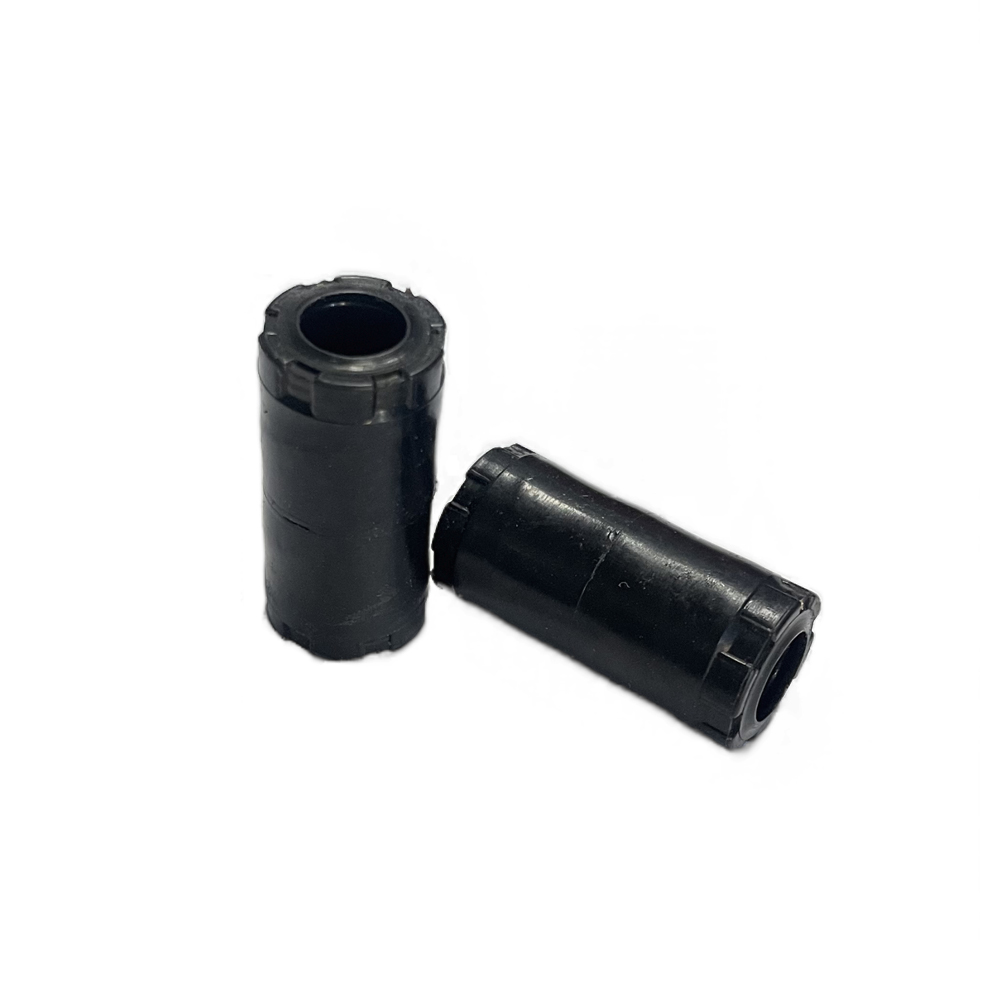
The specified friction coefficient should not be too high and should be within a reasonable range. The friction coefficient of Other Transmission Components is generally 0.38~0.43. The friction coefficient of the brake pads of heavy trucks is generally comfortable in the range of 0.40~0.44, while the friction coefficient of the brake pads of the parking brake is usually around 0.44.
Different car manufacturers, different models and different formulas usually specify different friction coefficients. The national standard does not specify a low value, but the low friction coefficient is specified in the relevant standards, regardless of the temperature level. At 0.25, the friction coefficient cannot be higher than 0.65, and these two values are mandatory requirements.
The friction coefficient is a basic parameter for evaluating brake friction materials. It determines the braking torque of the brake pad and is usually reflected in the braking distance. The national standard GB5763 strictly requires manufacturers to indicate the specified friction coefficient on the packaging. The specified friction coefficient must be appropriate. Too high will cause wheel locking, loss of directional control and film burning during braking, while too low will cause too long braking distance. The friction coefficient of a racing car is usually greater than 0.55. It requires instant braking action, but its life and the service life of the mating parts are relatively short; while the friction coefficient of an ordinary car should be around 0.42, too high or too low will reduce the overall braking performance.