

The importance of Transmission Pulley is self-evident. When emergency braking is required, whether it can brake in a short distance becomes the key to solving accidents. So how often should Transmission Pulley be replaced? The following car brake plate manufacturer will take you to understand.
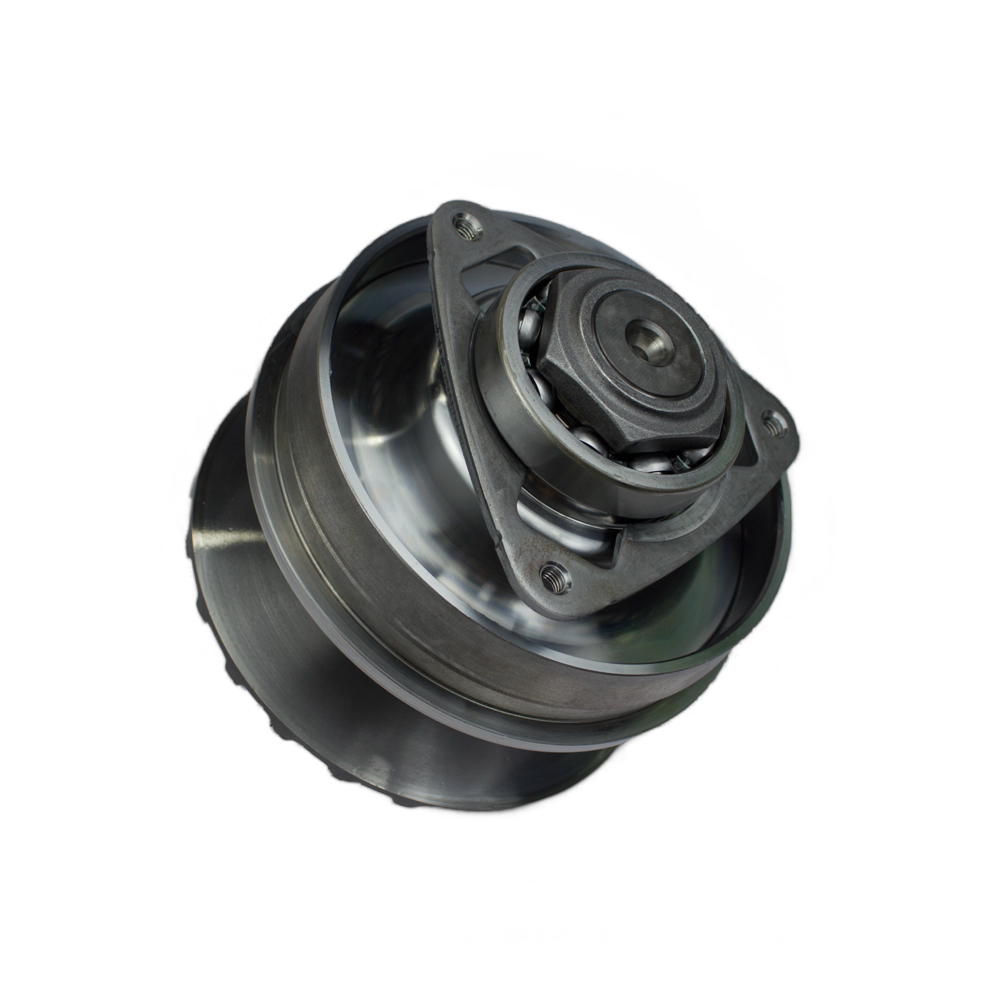
The Transmission Hard Parts is about 30,000 kilometers before replacement, and about 80,000 kilometers after replacement. Of course, this is just a general direction. According to the different habits of each person and the different braking systems of each vehicle, the replacement time should be determined according to the degree of wear, but try not to exceed this number.
In general, the thickness of Transmission Pulley is about 1.5 cm. The thickness of Transmission Pulley seen by the naked eye is less than 1cm, and there are raised marks on both sides, and the thickness is about 2mm or 3mm. If it is parallel to this mark, it may be the limit of the brake pad that must be replaced at this time. It is not convenient to observe with the naked eye, so go to the repair shop to measure accurately with a special caliper.
When the Transmission Hard Parts becomes thinner, it will affect the braking effect. At this time, you need to step on the brake pedal deeper and deeper to achieve the original effect. That is to say, when the brake feels soft, it can't stop. At this time, you need to check whether it needs to be replaced.
In general, the thickness of Transmission Pulley is about 1.5 cm. The thickness of Transmission Pulley seen by the naked eye is less than 1cm, and there are raised marks on both sides, and the thickness is about 2mm or 3mm. If it is parallel to this mark, it may be the limit of the brake pad that must be replaced at this time. It is not convenient to observe with the naked eye, so go to the repair shop to measure accurately with a special caliper.
When the Transmission Hard Parts becomes thinner, it will affect the braking effect. At this time, you need to step on the brake pedal deeper and deeper to achieve the original effect. That is to say, when the brake feels soft, it can't stop. At this time, you need to check whether it needs to be replaced.